Isaac Ost

I am Isaac Ost

Product Designer, Engineer, and Inventor

I am a full-stack designer dedicated to transforming simple ideas into high-impact commercial products. I combine human-centered design with AI-driven engineering to build robust, enterprise-level software.

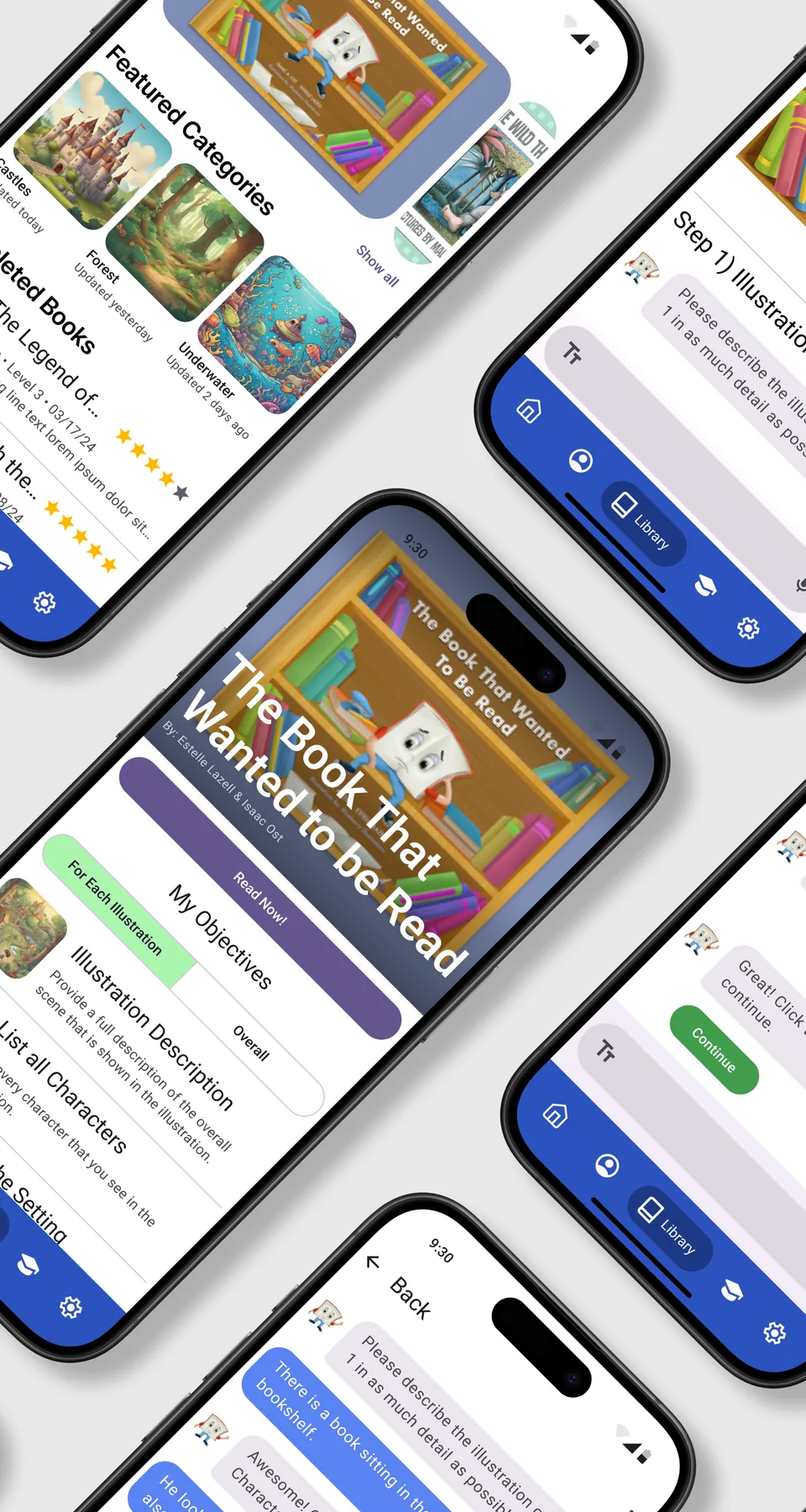
Portfolio Mobile App Screens Cover

Enterprise Experience

In addition to my 13 years of product design experience within smaller startups, I have over 4 years of product design experience in large enterprise environments. This includes roles at American Express, PayPal, and Elsevier. These roles helped me apply my entrepreneurial knowledge to bigger problems and refine my product design and communication skills.

Job Roles

American Express logo

American Express

Lead Product Designer

  • Apr. 2022 - Feb. 2024 (Colleague)
  • Oct. 2024 - Dec. 2024 (Contract)
  • Apr. 2025 - May 2026 (Contract)

In my first role, I owned product design for all products that enabled the acquisition of customers for the US Savings, Checking, & Personal Loans products. In my second role, I led design within a team of engineers that are building a web governance platform from the ground up. In my third role, I joined the Risk Decision Technology division, led design for the Global Risk Underwriting platform and turned an idea for a new server infrastructure monitoring platform into reality by building out the first prototypes.

My Process at Amex

  1. Meet with product partners and engineers to identify problems that need design-based solutions.
  2. Collaborate with researchers to identify any information gaps and set plans for needed research activities.
  3. Create low-fidelity design assets like wireframes, mockups and interactive prototypes to support research activities.
  4. Create user personas and product journeys to help map out the user experience and help with solution ideation.
  5. Host design workshops with stakeholders to align on product specifications and ideate solutions.
  6. Design interactive, high-fidelity prototypes for usability studies and variants of the solution to support A/B testing.
  7. Use feedback from user testing and usability studies to iterate and improve the product.
  8. Deliver final, high-fidelity design assets with accessibility annotations to engineers for proper implementation.

Case Study – Full Re-design of Savings Application Journey (Heavy Research Focus)

savings1
savings2
savings3
savings4
savings5b
savings6
savings7

Visit https://www.americanexpress.com/en-us/banking/online-savings/account/ and click "Open an Account" to view the live experience.

Main Challenges

  1. Third-party credential creation was causing confusion for some users and leading to drop-off and lower conversion rates.
  2. There was a need to systematically identify the user's relationship to Amex instead of directly asking them.
  3. The existing journey lacked clear copy and wasn't optimized for a seamless user experience.

Research Activities

There was a heavy emphasis on all research activities. Any small change in the experience could lead to tens or hundreds of millions of dollars in lost revenue, so it was absolutely necessary to ensure every design decision was based on data.

  1. Data Analysis - Viewed existing usage data to extract patterns in user behavior and identify areas that needed improvement.
  2. Customer Interviews - Learned more about customer pain points and their experience within the application journey.
  3. Usability Testing - Created several interactive prototypes for new features and new copy. Observed how customers navigated and used these prototypes and interviewed them to identify where there was friction and what worked.

Solutioning

  1. Stakeholder Design Workshops - Extracted insight from all data sources to build user personas and map their journeys. This helped with the ideation of solutions and feature prioritization.
  2. High-Fidelity Design - Used the existing design language system to create high-fidelity mockups. Collaborated with the DLS (Design Language System) team to ensure new components could be created and added to the design system.
  3. UX Copywriting, Accessibility and Compliance - Partnered with a UX copywriter, compliance, and accessibility experts. Any copy would need to be extensively reviewed to ensure it was complying with all federal regulations. All designs were made to comply with ADA and WCAG 2.2 standards.
  4. QA and Final Usability - Final review and usability testing, and A/B testing to ensure the solution was ready to be implemented.

Hand-off to Engineers for Implementation

  1. Upload Design Assets to InVision - Used InVision to make design assets available for engineers. Engineers could examine the specifications of the screens and see the corresponding CSS code. Eventually Amex switched to Figma for this.
  2. Accessibility Annotation - Added annotations to designs to point out required accessibility specifications.
  3. Design Language System Notes - Added notes to explain which design system components were being used and/or created so that the engineers could easily build the interface using Amex's "Building Block Library."

Outcome

  1. Credential Creation In-House - Created a new user flow that enabled the automatic creation of an American Express online account during the application process.
  2. Systematic Identification Method - Designed a flow that would gather inputs in a specific order to enable the back-end to identify the user's relationship to American Express.
  3. Usability Optimizations - Reduced the number of pages and steps that users had to complete, completely removed a number of redundancies that led to an inefficient data collection process, and refined copy for better messaging and alignment to regulations.
  4. New Accounts Acquired (NAA) - The rollout of these improvements led to a 151% increase in new accounts acquired from YTD Sep’22 to YTD Sep’23 for the US savings product.
Elsevier logo

Elsevier

  • Dec. 2021 - Mar. 2022

Senior UX Designer (Contract)

Senior UX designer for a team focused on new product innovation. Collaborated with a team of 12 to conduct research, prototype solutions, and iterate to identify product opportunities.

The AIM (Agents of Innovation Monetization) program at Elsevier is an initiative designed to identify problems and build solutions to help drive new revenue streams and further reinforce Elsevier’s mission of improving patient care. I was the lead UX designer on a team consisting of 2 UX strategists, 1 UX researcher, the VP of UX Design, Sr. Director of Nursing & Patient Solutions, 2 Nurse Executives, Sr. Software Architect, and 3 others.

PayPal logo

PayPal

  • June 2021 - Sept. 2021

UX Designer (Contract)

UX designer for PayPal integration team for small and medium size merchants. Reviewed 200+ ecommerce sites to identify opportunities for UX improvements. Designed style guide for PayPal's internal eLearning platform.

Part of a new initiative that focused on providing free UX reviews to existing clients that had PayPal integrated to their eCommerce website. The goal was to demonstrate what these websites would look and function like with PayPal fully integrated to its maximum potential and up-sell the clients to have them pay to update their website. At the end of this initiative, I used my extra time to begin creating the style guide for their eLearning platform.

Products I've Built 0-1

Microgame Builder DesktopA view of a configuration for a Microgame concept.
Microgame Builder MobileA view of a configuration for a Microgame concept.
Popup Builder MobileA live-preview of the Popup Modal builder for mobile.
Conversion Screen BuilderAn example Conversion Screen configured inside the Builder.

Conversion Rate Optimization (CRO) Engine

For this product, I wanted to focus on one of the most important problems for businesses with a lot of web traffic. The problem of converting more of your existing traffic into revenue and profit.

To solve this, I came up with a CRO engine that allows marketers to build interactive data-capture modules that intelligently route website visitors to existing conversion funnels. By sending more traffic into these funnels, they can produce more revenue and lower their customer acquisition cost.

Check out a couple example modules that I have built below. The options are endless!

food icon

Middle Eastern Restaurant

Conversion: Purchase with Coupon Code

Here is a fun example that I designed for a restaurant that could drive more engagement and lead to coupon redemptions and additional sales.

Pita Sandwich Builder
job icon

Portfolio Site Project Routing

Conversion: Link Redirect to most relevant project page

Here is a more relevant example to the nature of this portfolio site. Recruiters and hiring managers can tell me which skills matter most to them and be routed to the most relevant project for them.

Portfolio Project Discovery

Buddy the Book® Digital Art & Design Application

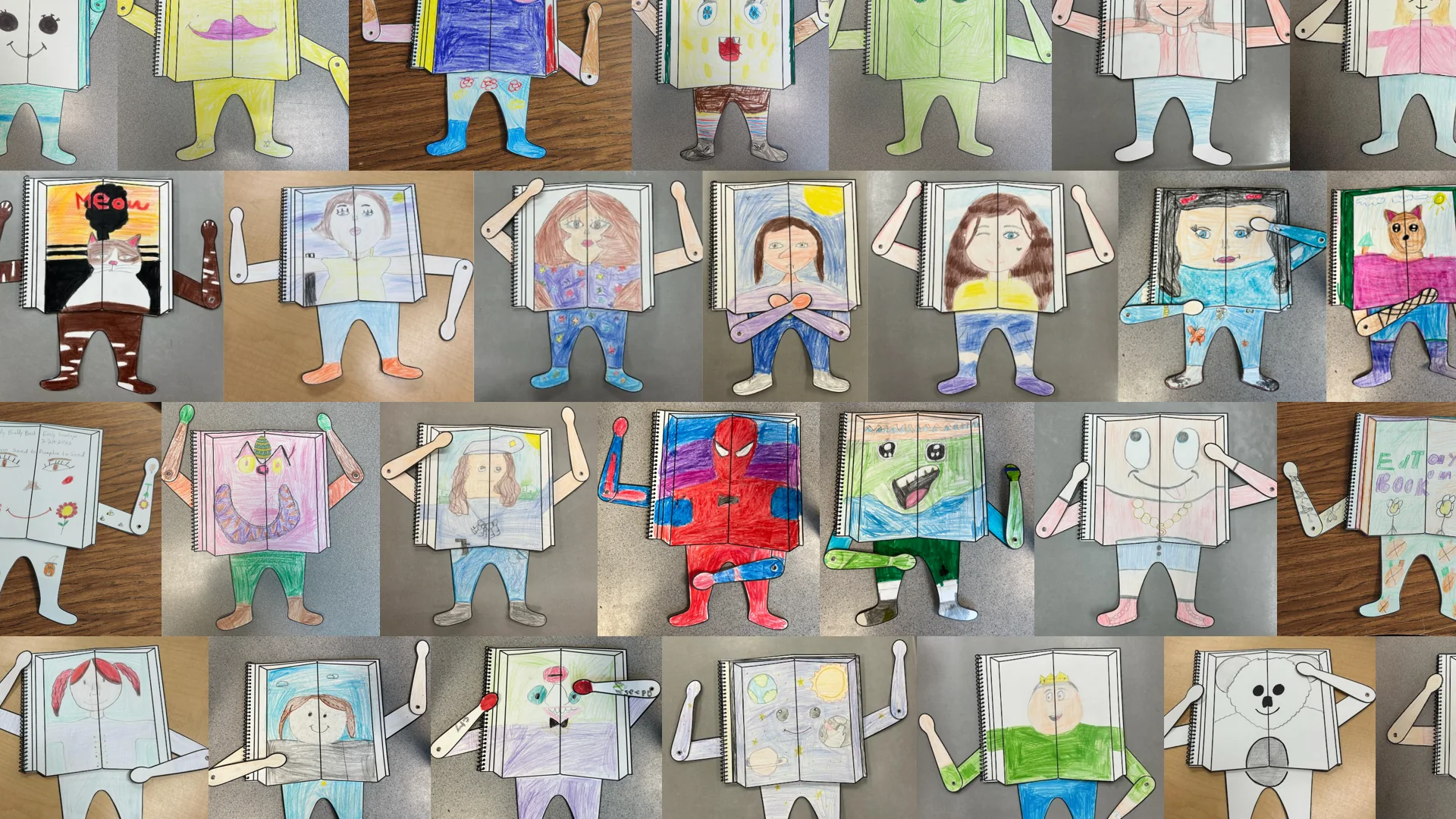
I was tasked with coming up with a digital entry point for an in-person book publishing project for students in grades 2-5. After interviewing educators and experimenting with various concepts, the solution I created was a fully digital version of the physical writing booklets that are used in the book publishing project. This had a tremendous positive impact on the students that used this solution.

Digital Booklet CanvasThe Buddy the Book® Digital Booklet Canvas Application
Brush ToolUsing the brush tool. The drawn paths mask over the edges and go below the black outlines.
Adding a StickerAdd hundreds of stickers like faces, facial features, clothing, backgrounds, and more!
Completed CharacterHere is a fully designed character from one of our users.
User ProjectsThe user can save, edit, and download their projects.
User DataA screenshot of the backend, where user data is displayed. This is also where stickers, shapes, and other assets can be added for use by the end-users.
FinalBooklets_slide1

My Process

High-Level Process

My 12 years of experience with "Lean Startup Methodology" has influenced my end-to-end product design approach. This results in unique and efficient outcomes that are crafted through an entrepreneurial perspective.

  1. Problem Validation

    The problem that you are solving must be real and generate enough pain for your audience.

  2. Ideation of Solutions

    Brainstorm numerous potential solutions with the team and gather the best solutions for further research and experimentation.

  3. Prototypes and Mockups

    Create low-fidelity design assets to complement the research and experimentation process.

  4. Solution Validation

    Move winning concepts forward through research, experimentation, and iteration.

  5. High-Fidelity Assets

    Create, standardize, and deliver final design assets to engineers for implementation of the best solution as a minimum viable product.

  6. Roadmaps and Growth

    Create strategy for the continued growth, support, and development of the solution.

More Projects

Take a look at my hardware/software IoT startup that I worked on while in college at the University of Arizona!

View Now

Connect

Email me directly at isaac@craftedthought.com, or click the button below to schedule a meeting with me!

ISAAC OST / PRODUCT DESIGNER & ENTREPRENEUR

Connect